Short version:
- Deep cleaning works best in a top-to-bottom, room-by-room order that moves dust and debris downward instead of recirculating it.
- Focus on high-contact surfaces, soft furnishings, and overlooked spots like baseboards, vents, and behind appliances.
- A structured routine reduces indoor dust and allergens more effectively than spot cleaning alone.
A thorough deep clean means working through every room in a set sequence, starting at ceiling height and finishing at the floor, so dislodged dust and debris end up where they can be swept or vacuumed away rather than resettled on surfaces already cleaned. This approach to house cleaning differs from routine tidying because it reaches areas that weekly upkeep typically skips, including window tracks, light fixtures, and the space behind large furniture.
Cincinnati homes face seasonal dust and pollen swings tied to the region’s humid summers and dry winter heating cycles, which makes a structured deep-clean schedule more useful than reactive spot cleaning. According to the EPA’s guidance on indoor particulate matter, frequent cleaning helps reduce the buildup of dust mites and animal dander, and vacuuming carpets and furniture weekly or more often is recommended to limit particle accumulation.
Start High and Work Downward
Cleaning from top to bottom prevents re-contaminating surfaces that have already been wiped down.
- Begin with ceiling fans, crown molding, and light fixtures using a microfiber duster.
- Move to walls, picture frames, and the tops of cabinets or shelving units.
- Wipe down switch plates, door frames, and window sills before reaching countertops and furniture.
- Finish with floors, using a vacuum with a sealed HEPA filter followed by mopping where applicable.
This order matters because dust displaced from higher surfaces naturally settles downward, so cleaning floors last captures what falls during the rest of the process.
Room-by-Room Priorities
Each room in a home carries different buildup patterns, so a deep clean should adjust focus accordingly.
| Room | Primary Focus Areas | Common Oversights |
| Kitchen | Appliance exteriors and interiors, backsplash, cabinet fronts | Behind the refrigerator, range hood filter |
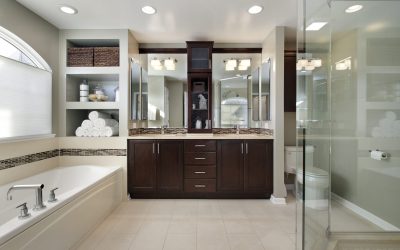
| Bathroom | Grout lines, showerhead, exhaust fan | Underneath sink cabinets, toothbrush holders |
| Bedroom | Mattress surface, closet shelving, baseboards | Under the bed, curtain rods |
| Living Areas | Upholstery, electronics, window tracks | Behind furniture, air vent covers |
Kitchens and bathrooms often require extra attention during home cleaning because moisture, grease, and soap residue can build up quickly. Hall-Mark Premier House Cleaning Service focuses on these high-use areas to help maintain a fresh, clean, and hygienic home. Living rooms and bedrooms also need thorough care, as dust and allergens can accumulate in carpets, textiles, and upholstered furniture that routine vacuuming may not fully address. With attention to both visible surfaces and often-overlooked areas, Hall-Mark Premier House Cleaning Service helps homeowners enjoy a cleaner and more comfortable living space.
Address Soft Surfaces and Hidden Buildup
Carpets, upholstery, and bedding trap more allergens than hard surfaces, so they require separate treatment during a deep clean.
- Vacuum mattresses and upholstered furniture using a brush attachment to lift embedded particles.
- Launder removable cushion covers, curtains, and throw pillows on a hot-water cycle when fabric care labels allow.
- Clean baseboards and door tracks with a damp cloth, since dry dust buildup tends to collect unnoticed in these low-traffic spots.
- Check behind and underneath large appliances and furniture, areas that routine cleaning rarely reaches.
Addressing these hidden zones is often what separates a deep clean from a standard cleaning pass, since surface-level tidying rarely disturbs dust that has settled into fabric or tight corners.
Frequently Asked Questions
How often should a home get a full deep clean? Most households benefit from a seasonal deep clean, roughly every three to four months, with lighter maintenance cleaning in between to keep dust and grime from accumulating heavily.
What is the difference between regular cleaning and deep cleaning? Regular cleaning covers visible surfaces like counters and floors, while deep cleaning reaches less obvious areas such as baseboards, vents, grout, and behind furniture.
Does deep cleaning help with allergies? Reducing dust, pet dander, and other particles through regular, thorough cleaning can support better indoor air quality, though results vary by household and existing allergen sources.
Should certain rooms be deep cleaned more often than others? Kitchens and bathrooms generally need more frequent attention due to grease, moisture, and soap residue, while bedrooms and living areas can often follow a longer seasonal cycle.
Local Service Information
Hall-Mark Premier House Cleaning Service is based in USA and serves customers across Cincinnati, OH.
Published details for Contact Hall-Mark Premier House Cleaning Service are available for those confirming service area coverage.