Simply put:
- Professional asphalt repairs follow a clear sequence: inspection, surface preparation, patching or resurfacing, and compaction.
- Knowing each stage helps you set realistic timelines and avoid surprises on project day.
- Local Michigan weather conditions, particularly freeze-thaw cycles, directly shape when and how repairs are performed.
Scheduling asphalt repairs in Fenton means working with a contractor who understands both the technical process and the regional climate that puts local pavement under constant stress. Here is a stage-by-stage look at what actually happens on a professional repair job.
Why Fenton Driveways and Lots Need Attention Every Season
Michigan winters are hard on pavement. Rainwater seeps into cracks and washes away supporting base material, while snow and ice expand and contract within those cracks, worsening the damage. In colder climates, water that penetrates asphalt freezes during the winter, expands, and forces cracks to widen. According to the Michigan Department of Transportation (MDOT), when roads that have been frozen all winter begin to thaw from the surface downward, melting snow and ice saturate the softened ground, making the roadbed more susceptible to damage — and this contributes to pothole problems already occurring due to numerous freeze-thaw cycles.
For residential driveways and commercial parking lots in Fenton, that translates directly into cracking, heaving, and pothole formation that compounds if left unaddressed. Timely asphalt repair can prevent more significant and costly repairs in the future, since neglecting minor cracks and potholes can result in the need for full resurfacing or replacement.
The Step-by-Step Repair Process
Understanding each phase removes uncertainty and helps you communicate clearly with your contractor.
1. Inspection and Damage Assessment
The first step in any asphalt repair project is a thorough inspection of the damaged area. Professional contractors look for various types of damage, including cracks, potholes, depressions, and surface deterioration. They also assess the underlying cause of the damage, which might include water infiltration, freeze-thaw cycles, heavy traffic, or poor initial installation.
Based on the assessment, they will recommend the most appropriate repair method, such as crack filling, patching, or resurfacing. This initial inspection is crucial for determining the scope of work and providing an accurate estimate.
2. Surface Preparation and Excavation
Before repairs begin, the damaged area must be cleaned. Dirt, debris, and vegetation are removed from cracks and potholes. For larger projects, the surface may be power washed or milled to ensure proper adhesion of new materials.
For potholes or areas needing patching, contractors cut around the damaged asphalt to create clean, straight edges. The weakened material is excavated to expose a solid base. If the base is also compromised, it will be repaired or replaced.
3. Patching, Layering, and Compaction
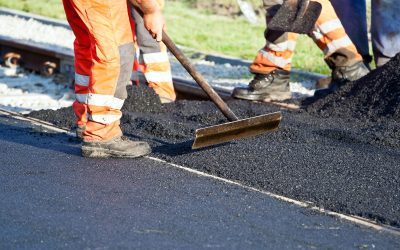
The repair typically includes a base course followed by a surface course of hot mix asphalt. Each layer is meticulously applied and compacted to achieve a uniform texture and a strong, resilient pavement. Hot asphalt mix should be applied when temperatures are between 275 and 325 degrees Fahrenheit, so weather conditions must be factored in before beginning the repair. Since hot asphalt must be maintained and handled with care, it is recommended to hire a professional.
Repair Methods Compared
Not every damaged surface calls for the same solution. Here is a quick reference:
| Damage Type | Common Method | Best For |
|---|---|---|
| Hairline or surface cracks | Crack filling / sealant | Early-stage deterioration |
| Localized potholes | Full-depth patching | Isolated structural failure |
| Widespread surface wear | Resurfacing / overlay | Large areas with moderate damage |
| Severe base failure | Full removal and replacement | Structural compromise throughout |
For minor cracks, filling them with crack sealant or asphalt filler is the most common solution. Crack filling prevents water from seeping into the asphalt and causing further damage, such as potholes or erosion.
What to Expect After the Work Is Done
Curing time varies by method and temperature. Patched areas typically need 24 to 48 hours before vehicle traffic is permitted, though your contractor will confirm based on conditions. When done correctly, repairs can extend the life of the pavement and prevent more costly repairs in the future. Regular maintenance, including periodic inspections and prompt attention to new damage, helps protect the investment and maintain safe, attractive surfaces.
For asphalt services in Fenton MI, choosing a contractor with local experience matters. Countywide Asphalt & Paving offers residential and commercial asphalt paving solutions throughout Genesee County and the surrounding areas, and has been a family and locally owned operation since 1994. Services include expert commercial asphalt repairs, resurfacing, and new installation across the region.
Frequently Asked Questions
How long does a professional asphalt repair take? Most residential patch jobs are completed in a single day. Larger commercial resurfacing projects may take two to three days depending on the square footage and required base work.
Can asphalt be repaired in cold Michigan weather? Crack filling can be performed in cooler temperatures, but hot-mix patching requires ambient temperatures above 50 degrees Fahrenheit for proper adhesion and compaction. Spring and summer are the most reliable windows.
How do I know if I need a patch or full resurfacing? The first step is an assessment of the damaged area. A professional contractor will inspect the surface to evaluate the extent of the damage, identify cracks, potholes, uneven areas, or drainage issues, and then recommend the most appropriate repair method.
Does asphalt repair add property value? A freshly paved asphalt surface can help improve curb appeal and property value for a residential property. Well-maintained lots also signal professionalism for commercial properties.
Ready to get a clear picture of what your driveway or parking lot needs? Contact Countywide Asphalt & Paving for a free estimate and to schedule an on-site assessment with a local Fenton-area paving professional.