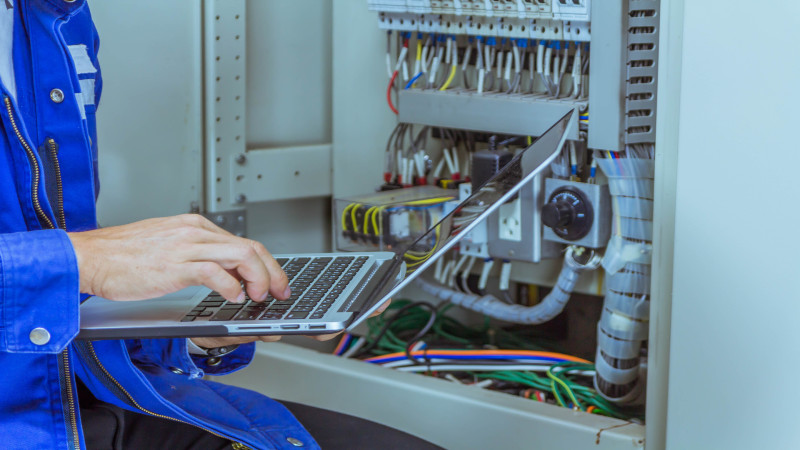
In today’s fast-paced business environment, even a brief interruption in power can lead to significant losses, productivity setbacks, and damage to sensitive equipment. Companies of all sizes rely heavily on uninterrupted access to digital systems, communication tools, and critical data. Power outages, surges, and fluctuations are unpredictable, and without a dependable solution in place, your organization could face costly downtime. For those searching for a robust means to protect their operations, searching for “Schneider Electric Ups” reveals a wide range of advanced power backup systems designed to ensure business continuity and peace of mind.
Why Reliable Power Backup Matters
Power disruptions are more than just inconveniences—they can halt essential business operations, corrupt valuable files, and create security vulnerabilities. For industries such as healthcare, finance, and manufacturing, even a few seconds of downtime can have far-reaching consequences. That’s why investing in a reliable uninterruptible power supply (UPS) system is a critical component of any comprehensive business continuity plan.
A modern UPS not only provides emergency power during outages but also shields connected equipment from voltage spikes, brownouts, and electrical noise. This protection is essential for maintaining data integrity, preventing hardware damage, and ensuring that your team can continue working without interruption.
Key Features of Advanced UPS Systems
When evaluating power backup solutions, it’s important to consider features that align with your business needs. Here are some essential attributes to look for in a high-quality UPS:
• Automatic Voltage Regulation (AVR): This feature ensures stable voltage output, protecting sensitive devices from harmful fluctuations.
• Scalability: As your business grows, your power requirements may change. Scalable UPS systems allow you to add capacity without replacing the entire unit.
• Remote Monitoring: Modern UPS solutions offer network connectivity, enabling real-time status updates and remote management to quickly identify and resolve issues.
• Battery Management: Advanced battery management technologies extend battery life and provide timely alerts when maintenance or replacement is needed.
• Energy Efficiency: Energy-efficient UPS systems help reduce operating costs and support sustainability initiatives by minimizing power consumption.
Benefits for Businesses
Implementing a reliable power backup solution offers several advantages that contribute to smooth business operations:
1. Minimized Downtime: Immediate switchover to backup power ensures that critical systems remain operational, even during unexpected outages.
2. Data Protection: Prevents data loss and corruption by allowing servers and workstations to shut down safely or continue running until power is restored.
3. Equipment Longevity: Protects valuable hardware from electrical damage, reducing repair and replacement costs over time.
4. Regulatory Compliance: Many industries require continuous power for safety and compliance purposes. A dependable UPS helps meet these requirements.
5. Enhanced Productivity: Employees can focus on their work without worrying about disruptions, leading to higher morale and efficiency.
Choosing the Right UPS for Your Business
Selecting the appropriate UPS involves assessing your organization’s unique needs. Here are a few steps to guide your decision:
• Evaluate Power Requirements: Calculate the total wattage of devices that need backup, including servers, networking equipment, and workstations.
• Determine Runtime Needs: Decide how long you need backup power to last during an outage—whether it’s just long enough for a safe shutdown or to keep operations running for several hours.
• Consider Future Growth: Choose a scalable system that can adapt to your evolving business demands.
• Factor in Environmental Conditions: Some UPS systems are designed for specific settings, such as data centers or industrial environments. Make sure your choice fits your operational context.
Consulting with a trusted technology partner can help you navigate these considerations and select a solution tailored to your business.
Maintenance and Best Practices
To ensure long-term reliability, regular maintenance of your UPS system is essential. Follow these best practices to maximize performance:
• Schedule routine inspections to check for signs of wear or battery degradation.
• Test the system periodically to verify backup functionality.
• Keep firmware and software updated to benefit from the latest security and performance enhancements.
• Train staff on proper usage and emergency procedures.
Proactive maintenance not only extends the lifespan of your UPS but also provides confidence that your backup system will perform when needed most.
Ensuring Business Continuity
A reliable UPS system is a cornerstone of business continuity planning. By safeguarding your operations against power-related interruptions, you create a stable foundation for growth, innovation, and customer satisfaction. Whether your organization is a small office or a large enterprise, investing in advanced power protection solutions helps you stay competitive in an increasingly digital world.
In summary, uninterrupted power is vital for maintaining productivity, protecting sensitive data, and ensuring operational resilience. With the right UPS system in place, your business can weather unexpected outages and keep moving forward without missing a beat. By prioritizing reliable power backup, you’re taking a crucial step toward minimizing risks and maximizing uptime—helping your business thrive, no matter what challenges arise.