In today’s competitive market, small businesses are constantly seeking ways to differentiate themselves and deliver exceptional customer experiences. Custom packaging has emerged as a powerful tool for branding, product protection, and consumer engagement. However, designing and producing unique packaging can be both costly and time-consuming for companies with limited resources. This is where Machine Die Cut solutions come into play, offering an efficient, precise, and affordable method for creating tailored packaging that meets specific business needs.
Understanding Machine Die Cut Technology
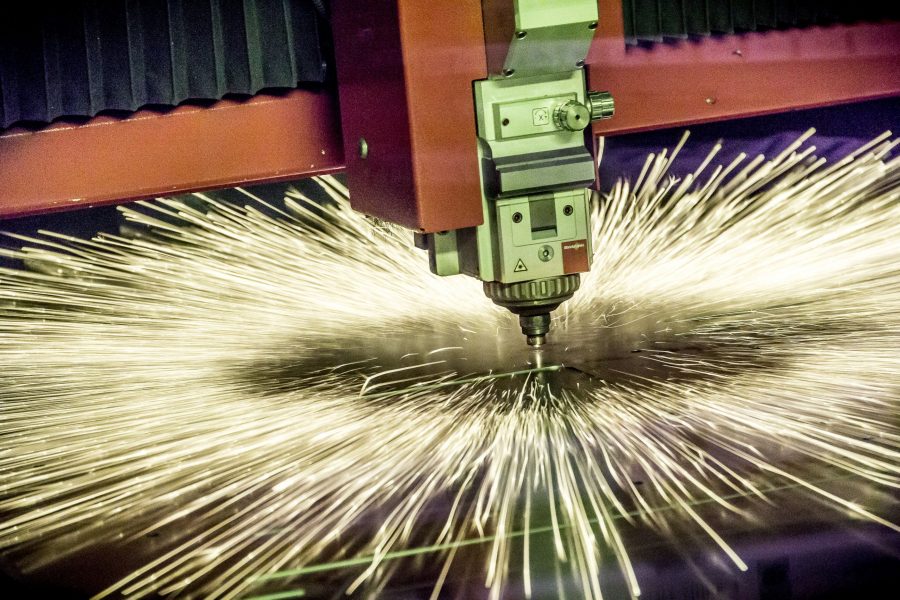
Machine die cutting is a manufacturing process that uses specialized dies and presses to cut, shape, or emboss materials such as paperboard, corrugated cardboard, and plastics. Unlike manual cutting methods, machine die cutting ensures uniformity and accuracy, making it ideal for producing packaging components in high volumes or with intricate designs. The process involves placing a material on a flat surface and pressing a custom-made die against it, allowing for quick, repeatable cuts according to the desired shape.
This technology has revolutionized the way small businesses approach packaging, enabling them to produce custom boxes, inserts, and displays that reflect their brand identity without exceeding budget constraints.
Benefits of Machine Die Cut Technology for Small Businesses
Small businesses stand to gain significant advantages by adopting machine die cut solutions for their packaging needs. Key benefits include:
• Cost Efficiency: By automating the cutting process, machine die cutting reduces labor costs and material waste. Once a die is created, it can be used repeatedly, lowering per-unit costs as production volume increases.
• Precision and Consistency: Machine die cut technology delivers consistent, high-quality results, ensuring that every packaging component matches exact specifications. This uniformity is crucial for maintaining a professional image and ensuring products fit perfectly within their packaging.
• Customization: The flexibility of die cutting allows small businesses to design packaging tailored to their products’ dimensions and branding requirements. From unique box shapes to custom inserts for product protection, the possibilities are virtually limitless.
• Speed and Scalability: Machine die cutting accelerates the packaging production process, enabling businesses to respond quickly to market demands or seasonal fluctuations. Whether producing a small batch for a limited edition product or scaling up for a large order, die cutting adapts seamlessly.
• Material Versatility: This technology accommodates a wide range of materials, from thin paper to thick corrugated cardboard, offering businesses the freedom to choose the best option for their product and budget.
Streamlining the Custom Packaging Process
Machine die cut technology not only enhances the quality of packaging but also simplifies the entire production workflow for small businesses. The process typically follows these steps:
1. Design and Prototyping: Businesses collaborate with packaging designers to create digital templates that translate their vision into a die-cut layout.
2. Die Creation: Once the design is finalized, a custom die is manufactured to match the template. This die serves as the blueprint for cutting packaging components.
3. Cutting and Assembly: The material of choice is loaded into the die cutting machine, which rapidly produces the required shapes. Components are then assembled, folded, or glued as needed.
4. Finishing Touches: Additional processes, such as embossing, windowing, or foil stamping, can be integrated into the workflow for enhanced visual appeal.
By streamlining these steps, machine die cut solutions help small businesses minimize lead times, reduce errors, and maintain quality control throughout the packaging lifecycle.
Practical Applications for Small Businesses
Machine die cut technology is highly adaptable, making it suitable for a variety of packaging applications across different industries. Examples include:
• Retail Packaging: Custom display boxes, folding cartons, and product sleeves that highlight branding and attract customers.
• E-commerce Shipping: Protective mailers, inserts, and cushioning components designed to ensure products arrive safely and intact.
• Food and Beverage: Specialized trays, carriers, and containers that comply with health and safety standards while showcasing products.
• Promotional Packaging: Limited edition boxes, gift sets, and sample packs that enhance marketing campaigns and customer engagement.
The ability to produce unique, high-quality packaging in-house or through local suppliers empowers small businesses to respond creatively to market trends and consumer preferences.
Maximizing Value with Machine Die Cut Solutions
To get the most out of machine die cut technology, small businesses should consider the following best practices:
• Collaborate with experienced packaging designers to optimize designs for both aesthetics and functionality.
• Choose materials that balance durability, sustainability, and cost-effectiveness for the intended application.
• Request prototypes or samples before full-scale production to ensure the design meets expectations and fits the product perfectly.
• Plan ahead for seasonal or promotional campaigns to take advantage of the speed and flexibility of die cutting.
By integrating these strategies, companies can leverage machine die cut solutions to create memorable, practical packaging that supports both their brand and operational goals.
Custom packaging is no longer a luxury reserved for large corporations. Thanks to advancements in machine die cut technology, small businesses now have access to efficient, cost-effective, and highly customizable packaging solutions. By embracing this approach, companies can enhance their product presentation, strengthen customer loyalty, and position themselves for success in an increasingly competitive marketplace.