Simply put:
• Structured dance training builds cardiovascular fitness, coordination, and strength while teaching real technique in styles like ballroom and Latin dance.
• Beginners benefit from low-impact group or private sessions, while athletes use dance as cross-training for agility and balance.
• Active adults often choose dance training as a social, sustainable way to meet weekly movement goals.
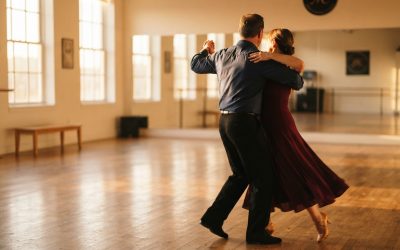
Dance training is structured instruction in partnered or solo dance styles that builds technique, fitness, and coordination through guided practice rather than casual movement. It appeals to beginners seeking a new skill, athletes wanting supplemental conditioning, and adults looking for a sustainable way to stay active.
Unlike a single class or a workout video, dance training in Hoboken NJ typically follows a progressive curriculum that layers footwork, timing, and partner connection over weeks or months. This structure matters because skill retention in movement-based disciplines depends on repetition and feedback, not just attendance. Private lessons paired with group practice sessions tend to produce faster, more durable progress than sporadic drop-in classes.
Why Structured Instruction Outperforms Casual Practice
Learning a dance style on your own from videos can teach isolated steps, but it rarely builds the timing, posture, and partner awareness that competitive or social dancing requires.
• Private lessons allow instructors to correct posture and footwork in real time.
• Group classes reinforce timing and give beginners low-pressure practice with peers.
• Practice parties or social sessions let students apply new skills in a realistic setting without formal evaluation.
This layered approach mirrors how most skill-based physical activities are taught, from martial arts to team sports, where drills precede live application.
Fitness and Health Benefits Backed by Public Health Guidance
Dance is formally recognized as a moderate-intensity aerobic activity by national health authorities, which matters for anyone tracking weekly exercise goals.
• Aerobic conditioning: dancing counts toward the recommended weekly aerobic activity minutes for adults, according to CDC physical activity guidance .
• Muscle engagement: partner dances such as waltz, tango, and foxtrot work the legs, core, and back through sustained posture control.
• Balance and coordination: repetitive footwork patterns improve proprioception, which supports injury prevention in other sports.
• Mental health support: regular movement-based activity is linked to improved mood and reduced anxiety symptoms, per the CDC’s benefits of physical activity overview .
Because dance training blends cardio and light resistance work, it can function as a standalone fitness routine or a complement to running, cycling, or strength programs.
Comparing Dance Training Formats
Different formats suit different goals, schedules, and comfort levels. The table below outlines common options available through dedicated dance studios.
| Format | Best For | Typical Structure |
| Private lessons | Beginners, competitive goals, fast skill-building | One-on-one instruction with an assigned instructor |
| Group classes | Social learners, budget-conscious students | Instructor-led sessions with multiple students |
| Practice parties/social sessions | Applying skills, meeting other dancers | Informal practice time without formal teaching |
| Wedding or event prep | Couples with a deadline | Short-term private lesson packages focused on a specific dance |
Students without a partner are not excluded from partnered styles. Many studios pair solo students with an instructor during private lessons and offer group settings where rotating partners is standard practice.
Who Benefits Most from Formal Dance Training
Beginners gain the most from structured instruction because it prevents the formation of bad habits that are harder to correct later.
1. Complete beginners benefit from step-by-step technique building in styles like waltz or salsa.
2. Athletes use ballroom or Latin dance training to improve footwork speed, hip mobility, and balance, skills that transfer to sports requiring quick directional changes.
3. Active adults often choose dance as a sustainable alternative to repetitive gym routines, since it combines fitness with a social, goal-oriented structure.
4. Couples preparing for weddings or events use short-term private lessons to learn a specific routine under time constraints.
Across all four groups, the common thread is consistency. Weekly lessons paired with practice time produce measurably faster improvement than occasional sessions.
Does dance training count as exercise? Yes. Dancing is classified as a moderate-intensity aerobic activity that can count toward weekly physical activity recommendations set by national health guidelines.
Do I need a partner to start dance training? No. Many programs pair solo students with an instructor for private lessons and offer group classes where partners rotate throughout the session.
How long does it take to see progress? Progress depends on lesson frequency and practice time, but consistent weekly instruction combined with practice sessions generally produces faster, more retained skill development than occasional classes.
Can dance training help with a specific event, like a wedding? Yes. Short-term private lesson packages are commonly used to prepare a specific routine, such as a first dance, within a set timeframe.
Getting Started with Dance Training Locally
Choosing a studio with structured private lessons, group classes, and social practice opportunities gives beginners, athletes, and active adults a clear path to measurable progress. Fred Astaire Dance Studios – Hoboken is a Hoboken, New Jersey dance studio offering private and group instruction in ballroom and Latin styles for students of all levels. Those ready to explore lesson formats, introductory offers, or wedding dance preparation can Read More or reach out to Fred Astaire Dance Studios – Hoboken directly to discuss scheduling and goals.